


Ashwagandha vs Ginseng: 9 Surprising Differences You Need to Know

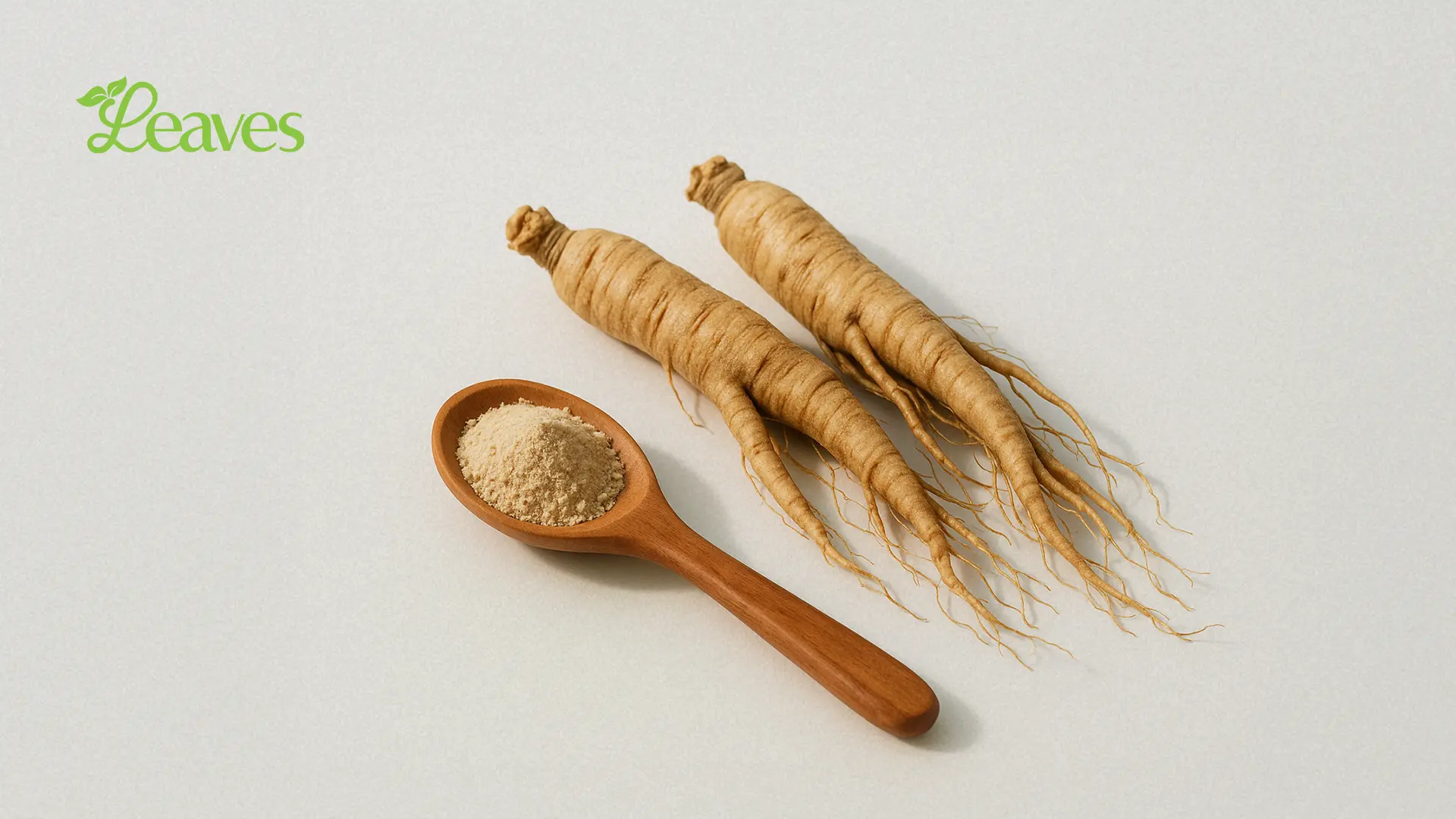
As we know, ashwagandha and ginseng are natural herbs that provide the body with numerous health and therapeutic benefits, especially when used properly within the recommended doses. However, there are differences between them, which can be accurately understood by comparing ashwagandha vs ginseng.
Ashwagandha vs Ginseng: 9 Key Differences
By comparing ashwagandha vs ginseng, we can find 9 common differences between them as follows:
1. Scientific name
The scientific name of Ashwagandha is Withania somnifera, and the scientific name of Ginseng is Panax ginseng or Korean red ginseng.
2. Origin
Ashwagandha is predominantly found in some African countries, India, and the Middle East, while Ginseng is predominantly found in Korea, China, and parts of North America.
3. Active compounds
The main active compounds in Korean red ginseng are ginsenosides, which are responsible for the medicinal properties of this herb. In contrast, the active compounds in ashwagandha are withanolides, including withaferin A and withanolide D.
4. Primary Effect
Both ashwagandha and ginseng are adaptogens; However, Ashwagandha is considered a sedative, relieves tension, enhances relaxation, while ginseng is a general stimulant.
5. The used part
The part of ashwagandha used is the root, and the part of ginseng used mainly is also the root. Ginseng leaves can sometimes be used, but they are not as beneficial.
6. Effect on insomnia
Ashwagandha helps enjoy a peaceful and healthy sleep and improves sleep quality, while Korean ginseng plays a pivotal role in energizing the body and enhancing attention and cognition; thus, it is not suitable for treating insomnia.
7. Safety of Use
Ashwagandha and ginseng are safe, natural herbs when taken at the recommended dosages and using healthy, licensed natural products. However, ashwagandha may interfere with the effects of medications for diabetes, high blood pressure, and thyroid disorders. Ginseng may also interfere with the effects of blood thinners, antidiabetics, and immune system medications.
8. Side effects
By comparing ashwagandha vs ginseng, we also find that the potential side effects of ashwagandha include nausea, stomach upset, and diarrhea, while ginseng can cause insomnia, headache, dizziness, and possibly digestive problems.
9. Best time to use
Ashwagandha is best taken before bedtime to help promote restful and high-quality sleep, while ginseng must be taken in the morning due to its stimulating and energizing properties.
It should be noted that comparing ashwagandha vs korean ginseng reveals differences in use and effects, but neither has an advantage over the other except in specific health conditions.
Top 7 Health Benefits of Ashwagandha
The key benefits of ashwagandha include:
- Reduces stress and anxiety by lowering cortisol levels, the body’s primary stress hormone.
- Improves cognitive function, including brain function, memory, and attention.
- Ashwagandha powder also helps increase muscle mass, strength, and endurance.
- Ashwagandha improves sleep quality by positively influencing the body’s sleep-wake cycle.
- It may also help increase thyroid hormone production in patients with hypothyroidism.
- Eschagenda also helps to lower blood sugar levels because it contains an active ingredient with anti-diabetic properties.
- Supporting male fertility, some research suggests that ashwagandha may improve sperm quality and count, besides supporting female fertility by balancing reproductive hormones and regulating the menstrual cycle.
Top 7 Health Benefits of Ginseng
When comparing red ginseng vs ashwagandha, we find more unique health benefits that ginseng also possesses, such as:
- Ginseng effectively helps boost energy levels and combat chronic fatigue.
- It improves cognitive function and abilities, especially when performing tasks that require mental focus.
- It is used to improve mood and help relieve symptoms of depression.
- Regular and moderate consumption of ginseng helps strengthen the immune system and prevent infection.
- Some of the phytochemicals found in ginseng have antioxidant properties and therefore work to neutralize free radicals and protect the body from oxidative stress.
- Ginseng may also play an important role in improving athletic performance and strengthening muscles.
- It has anti-inflammatory properties and therefore protects the body from many diseases.
Ashwagandha vs. Ginseng: Which One Should You Choose?
After comparing ashwagandha vs ginseng, it becomes clear that the choice depends on individual needs and health goals.
However, if you desire relaxation, calming, and relief from anxiety and stress, along with improved sleep, you should choose ashwagandha. Conversely, if you seek increased energy, vitality, and focus, you should opt for ginseng.
Note: It is worth noting that using ashwagandha and ginseng together does not cause any harm or complications; rather, it helps achieve hormonal balance and provides moderate and balanced energy and activity.
Compare the Benefits Yourself and Shop LEAVES Natural Products Now
At Leaves, we offer ashwagandha powder and Korean ginseng in 100% authentic and natural products and supplements, licensed by the Ministry of Health and tested by doctors to ensure their safety and effectiveness.
After comparing ashwagandha and ginseng, you can shop for ashwagandha at Leaves to relieve stress and fatigue, or Korean red ginseng powder to boost your energy and daily vitality with reliable quality and competitive prices.
However, if you still don’t know which is better for you, feel free to request a free consultation now from nutritionist Mai Gamal.
FAQ
Is Ashwagandha Haram?
No, the use of ashwagandha is permissible in Islam, provided that it does not contain any prohibited substances.
Are Ginseng and Ashwagandha the Same Thing?
No, comparing ashwagandha vs ginseng reveals numerous differences between them; primarily, Ashwagandha is an Indian herb that differs in its origin and properties from red ginseng, which is a herb of Korean origin.
How Long Does It Take for Ashwagandha to Work for Anxiety?
The effect can be observed within one to two weeks; however, it depends on how the body responds.
What Is Ashwagandha Called in Egypt?
It is also known as ashwagandha or Indian ginseng.
